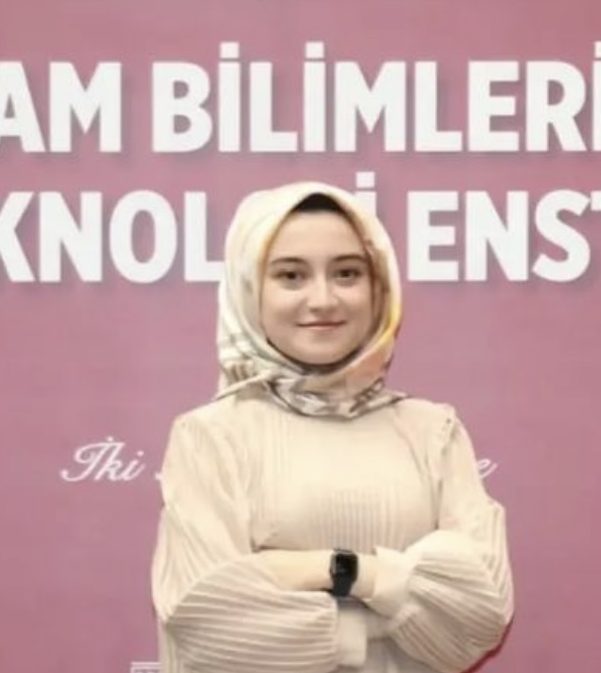
Esra Büşra Işık
PhD Student
The University of Manchester
Career Summary:
I am a bioinformatics researcher with over three years of experience, deeply immersed in the fields of computational biology, genomics, proteomics, machine learning, and bacterial informatics. With an MSc in Bioinformatics and Systems Biology from Gebze Technical University, I have developed bioinformatics platforms and tools aimed at enhancing surveillance, diagnostics, and drug design, as well as contributing to sustainable agriculture through machine learning-based solutions. My work has been supported by several prestigious fellowships and grants, including the TUBITAK BIDEB Scholarship, the James Taylor Fellowship for the Galaxy Community Conference, and the TUBITAK TEYDEB 1512 Grant for genetic analysis platform development in agriculture.
I have been actively involved in leadership roles at international conferences, serving as Session Chair for “Addressing the Grand Challenges in Bioinformatics Education and Training” at the Global Bioinformatics Education Summit 2024 (GBES2024) and co-chairing the International Symposium on Bioinformatics (InSyB 2021). I’ve presented my research at significant conferences, including ISMB 2022 and ECCB 2022. Additionally, as coordinator of the Bioinformatics Grand Challenges Consortium (BGCC), I co-authored a paper published in *Nature Biotechnology*.
In terms of technical skills, I am proficient in R, Python, shell scripting, and various bioinformatics tools, with practical experience in high-performance computing and applying machine learning to biological data. I’ve also been passionate about bioinformatics education, having trained students and professionals in courses on bioinformatics, programming languages, and clinical data applications. Through these experiences, I’ve been able to contribute to advancing both bioinformatics research and education on a global scale.
Contributions to APBioNET:
As an active member of APBioNET, I have contributed to several key initiatives and events aimed at advancing bioinformatics education and research globally. I co-chaired the International Symposium on Bioinformatics (InSyB 2021), hosted by Bezmialem Vakıf University, and have been involved in the International Conference on Bioinformatics (InCoB), volunteering at the 2022 edition organized by KAUST. I also participated in the Bioinformatics Workshop Fiesta (BWF), where I volunteered to coordinate Zoom sessions and assist lecturers during their presentations.
My work within APBioNET extends to leadership roles, such as chairing the session “Addressing the Grand Challenges in Bioinformatics Education and Training” at the Global Bioinformatics Education Summit (GBES 2024). I am also the coordinator of the Bioinformatics Grand Challenges Consortium (BGCC), which operates under APBioNET’s umbrella and focuses on identifying and addressing critical challenges in bioinformatics. Our work resulted in the publication of a manuscript titled “Grand Challenges in Bioinformatics Education and Training” in Nature Biotechnology. Additionally, I’ve played an active role in the 1st Colloquium on Bioinformatics Learning, Education, and Training (CoBLET), contributing to discussions that aim to enhance bioinformatics curricula and training approaches globally.
My contributions to APBioNET reflect my commitment to fostering collaboration, education, and innovation in the bioinformatics community. Through these engagements, I have had the opportunity to work with experts and institutions worldwide, helping to advance APBioNET’s mission of building capacity and expertise in bioinformatics across the Asia-Pacific region and beyond.
Proposed future contributions to APBioNET:
As I embark on my PhD journey in Bioinformatics at the University of Manchester, I see immense potential for leveraging my growing academic and research network to advance APBioNET’s mission. If elected as an ExCo member, my goal will be to strengthen APBioNET’s ties with academic institutions and research centers across Europe, particularly in the UK, to foster robust international collaborations.
I plan to enhance APBioNET’s visibility and impact in global bioinformatics education by supporting and expanding initiatives such as the International Symposium on Bioinformatics (InSyB) and the Bioinformatics Grand Challenges Consortium (BGCC). I will work to create more collaborative opportunities with European networks, promoting joint workshops, conferences, and training programs that cater to both students and professionals.
Furthermore, I aim to integrate cutting-edge topics such as AI and machine learning into APBioNET’s training modules and events. Given my research focus on machine learning applications for genomics, I can offer fresh insights and expertise that will help keep APBioNET at the forefront of bioinformatics advancements. My involvement with the European Laboratory for Learning and Intelligent Systems (ELLIS) will also facilitate connections between different organizations, broadening our collaborative reach.
Finally, I will dedicate efforts to engage and mentor young researchers and PhD students, providing them with opportunities to participate in APBioNET-led events. By fostering the next generation of bioinformatics professionals, I aim to contribute to the growth and sustained success of APBioNET’s mission.